
Designing for Sustainability in Modern Architecture

Sustainability has become a cornerstone in modern architecture. As environmental concerns grow, architects and builders are rethinking how structures are designed, constructed, and maintained. The goal is to reduce environmental impact while creating spaces that are functional, beautiful, and healthy for occupants. This article explores the key aspects of designing for sustainability in modern architecture, offering practical insights and examples to inspire greener building practices.
The Importance of Sustainable Architecture in Today’s World
Sustainable architecture is more than a trend - it is a necessity. Buildings account for a significant portion of global energy consumption and carbon emissions. By integrating sustainable design principles, architects can reduce energy use, minimize waste, and promote healthier living environments.
Some benefits of sustainable architecture include:
Lower energy bills through efficient heating, cooling, and lighting
Reduced carbon footprint by using renewable materials and energy sources
Improved indoor air quality with natural ventilation and non-toxic materials
Enhanced occupant comfort through thoughtful design and natural light
Long-term cost savings due to durability and reduced maintenance
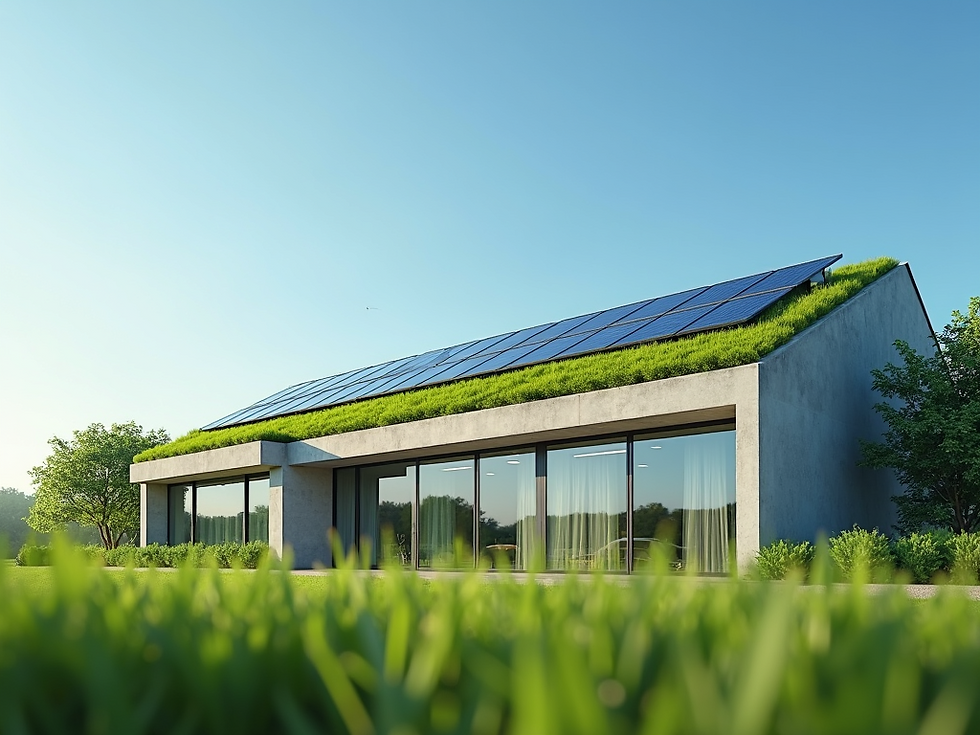
For example, many modern homes now incorporate solar panels, green roofs, and rainwater harvesting systems. These features not only conserve resources but also add value to the property.
Key Strategies in Sustainable Architecture
Designing sustainable buildings involves a holistic approach that considers the entire lifecycle of the structure. Here are some essential strategies:
Site Selection and Orientation
Choosing the right location and positioning the building to maximize natural light and ventilation can significantly reduce energy needs. South-facing windows in northern climates capture sunlight for warmth, while shading devices prevent overheating in summer.
Energy Efficiency
Incorporating high-performance insulation, energy-efficient windows, and smart HVAC systems helps maintain comfortable indoor temperatures with less energy. LED lighting and energy management systems further reduce consumption.
Use of Sustainable Materials
Selecting materials with low environmental impact is crucial. This includes recycled, locally sourced, or rapidly renewable materials such as bamboo, reclaimed wood, and recycled metal. Avoiding toxic chemicals also improves indoor air quality.
Water Conservation
Implementing water-saving fixtures, rainwater collection, and greywater recycling reduces water demand. Landscaping with native plants minimizes irrigation needs.
Waste Reduction
Designing for modular construction and using prefabricated components can minimize construction waste. Recycling and reusing materials on-site also contribute to sustainability.
These strategies are often combined to create buildings that are both eco-friendly and aesthetically pleasing. For instance, the DW House showcases innovative sustainable architecture solutions that blend modern design with environmental responsibility.

What are the 7 principles of sustainable construction?
Understanding the core principles of sustainable construction helps guide architects and builders toward more responsible practices. The seven principles are:
Minimize resource consumption - Use materials and energy efficiently throughout the building’s lifecycle.
Protect and conserve water - Implement systems to reduce water use and recycle wastewater.
Enhance indoor environmental quality - Ensure good air quality, natural lighting, and thermal comfort.
Reduce waste and pollution - Design to minimize construction waste and avoid harmful emissions.
Use renewable and non-toxic materials - Choose materials that are sustainable and safe for occupants.
Design for durability and adaptability - Create buildings that last and can be easily modified for future needs.
Promote biodiversity and ecosystem health - Incorporate landscaping and site planning that supports local flora and fauna.
Applying these principles results in buildings that are not only environmentally responsible but also healthier and more enjoyable for people.

Practical Tips for Implementing Sustainable Architecture
For architects, builders, and homeowners interested in sustainable design, here are actionable recommendations:
Conduct an energy audit before starting design to identify opportunities for efficiency.
Incorporate passive solar design by orienting windows and using thermal mass to regulate temperature.
Choose certified sustainable materials such as FSC-certified wood or low-VOC paints.
Install energy-efficient appliances and lighting to reduce operational costs.
Use smart home technology to monitor and control energy and water use.
Plan landscaping with native plants to reduce irrigation and support local ecosystems.
Engage with local communities and experts to ensure designs meet environmental and social needs.
By following these tips, projects can achieve meaningful sustainability goals without compromising style or function.
The Future of Sustainable Architecture
As technology advances and awareness grows, sustainable architecture will continue to evolve. Innovations such as 3D-printed buildings, biophilic design, and net-zero energy homes are becoming more accessible. Governments and organizations are also introducing stricter building codes and incentives to promote green construction.
The integration of renewable energy systems, smart sensors, and sustainable materials will become standard practice. Architects will play a critical role in shaping a built environment that supports both people and the planet.
Embracing sustainable architecture is not just about reducing harm - it is about creating spaces that inspire well-being, resilience, and harmony with nature. The future of architecture lies in designs that respect the earth’s limits while enhancing human experience.
Sustainable architecture offers a pathway to a greener, healthier future. By applying thoughtful design principles and innovative solutions, modern buildings can reduce their environmental impact and provide lasting value. Whether you are a professional or a homeowner, exploring sustainable architecture solutions can lead to smarter, more responsible choices in the built environment.


Comments